Water has a way of showing up when you least expect it, turning a quiet Tuesday afternoon into a frantic scramble. Down here in Collin County, we deal with expansive clay soils that shift with the weather, frequently pulling plumbing lines apart or cracking foundations right where you do not want them to. If you have water pooling where it should not, you need a clear plan of action before panic sets in.
Before the Pros Arrive: What You Can Do
Your main goal right after discovering a leak or indoor flood is safety and stopping the source. If you can safely reach the main water shut-off valve, turn it off immediately. Grab your phone and take pictures of everything for insurance purposes before you touch a thing.
Here is a quick breakdown of what you can realistically tackle yourself versus what requires a professional crew:
- Mop up manageable puddles on tile or hardwood with towels and a household wet-vac.
- Move small furniture, rugs, and electronics out of the wet zones to prevent staining or permanent damage.
- Do not try to rip up glued-down carpets or cut into drywall on your own, because that is where hidden structural risks lie.
- Leave heavy structural drying and contaminated water extraction to specialized teams who have the right gear.
During the Restoration Process
Once help arrives, the heavy lifting begins. Blue Sky Restoration Service usually starts with industrial-grade water extraction pumps and places low-grain dehumidifiers throughout the property. You will hear a lot of humming equipment running day and night.
During this phase, stay out of the containment zones unless necessary. The air movers are loud and must remain plugged in continuously to pull deep moisture out of your framing and subfloors. Turning them off early even for a few hours ruins the drying curve and invites mold growth.
After the Equipment Clears
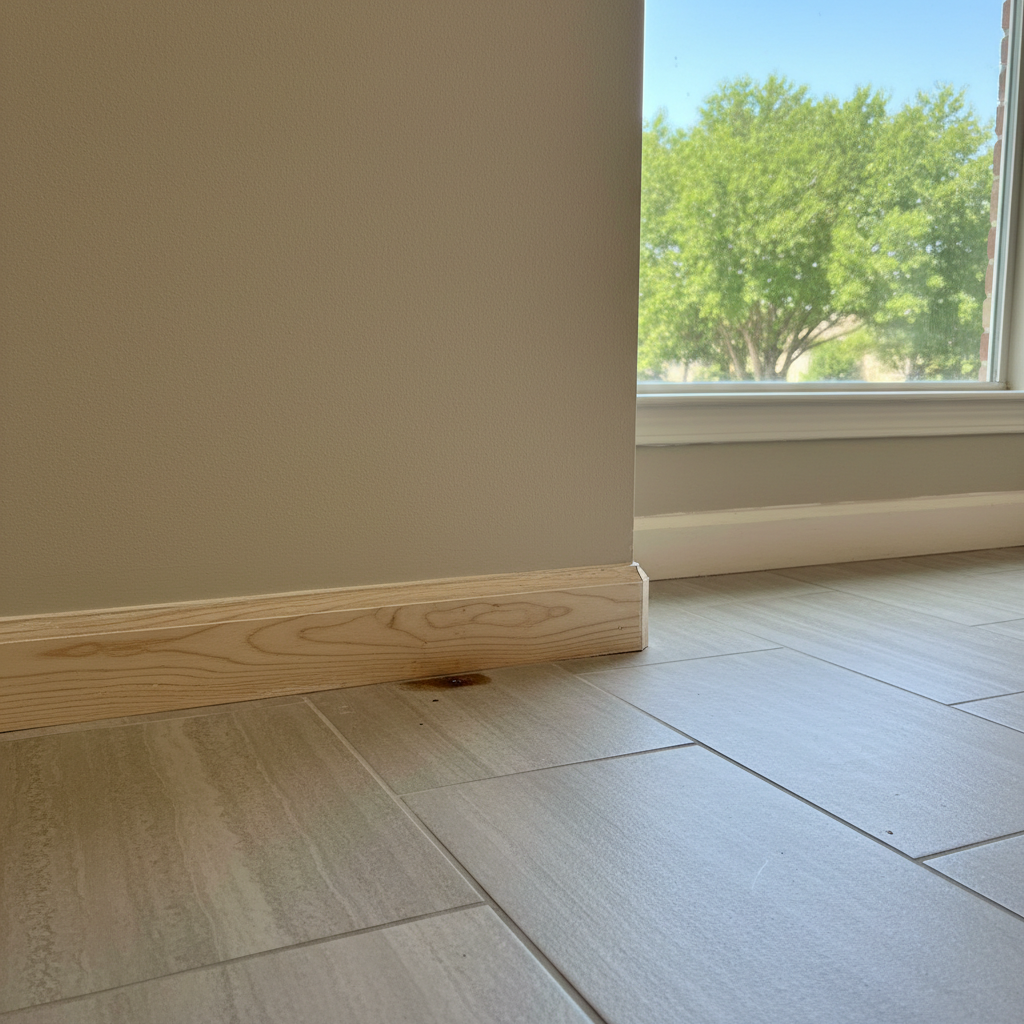
When the moisture meters finally read normal levels, the drying phase wraps up. At this stage, you are looking at rebuilding any compromised drywall, baseboards, or insulation that could not be saved. Keep your HVAC running and maintain good airflow across the house to help stabilize the indoor climate as things get back to normal.